- Foundation Models and Deep Learning Architectures: Deep learning, neural networks, foundation models, transfer learning, multimodal learning, and intelligent computational architectures for complex infrastructure and networked systems.
- Computer Vision, Language Intelligence, and Explainable AI: Object detection, vision-based infrastructure inspection, video analytics, natural language processing for engineering logs and threat intelligence, explainable AI, model interpretability, and AI-supported system diagnostics.
- Edge Intelligence, TinyML, and Real-Time Autonomous Control: Edge computing, TinyML, resource-constrained machine learning, real-time autonomous control loops, reinforcement learning, and intelligent decision-making for cyber-physical systems.
- Big Data Engineering and Multimodal Analytics: Distributed analytics, cloud and edge infrastructure, large-scale data processing, multimodal data fusion, scalable machine-learning pipelines, and energy-efficient, carbon-aware AI computing including model compression and training/inference optimization.
AML-SINR 2027
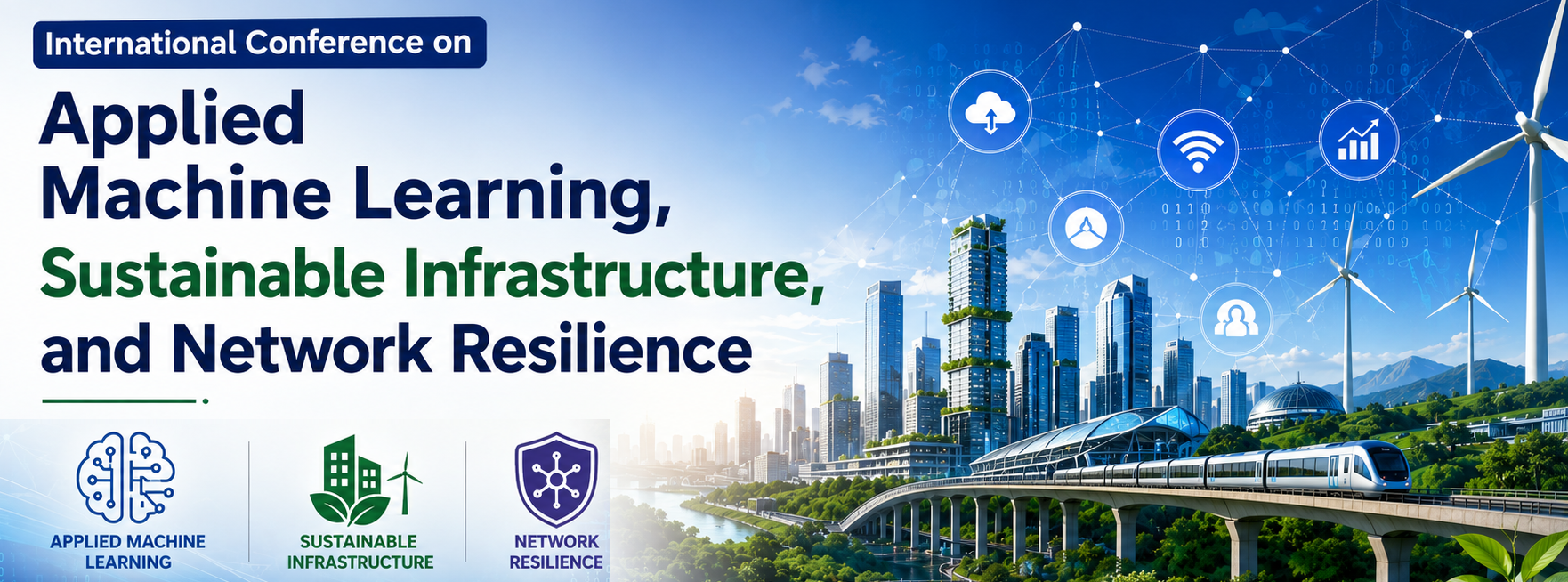
The inaugural International Conference on Applied Machine Learning, Sustainable Infrastructure, and Network Resilience (AML-SINR 2027) is a prominent peer-reviewed global platform. The event brings together leading computer scientists, civil and electrical engineering experts, cybersecurity specialists, and industry innovators.
Modern society is fully dependent on interconnected, essential infrastructure systems, which range from smart grids and transportation networks to high-speed communication pipes. As these systems grow, they face two systemic vulnerabilities: the urgent need to shift to sustainable, zero-emission operations, and the growing threat of sophisticated cyberphysical attacks.
AML-SINR 2027 links these domains by emphasising how Advanced Artificial Intelligence and Machine Learning may be successfully applied to construct next-generation Sustainable Infrastructure and provide unbreakable Network Resilience.
Hosted by

Call for Papers (Technical Tracks)
Track 2: Sustainable Infrastructure and Smart Engineering (SI)
- Smart Grids and Renewable Energy Systems: Smart grids, distributed renewable-energy systems, microgrid control, energy forecasting, energy storage, demand response, energy management, and energy-harvesting sensor networks.
- Structural Health Monitoring and Digital Twins: IoT-driven structural health monitoring for bridges, dams, buildings, tunnels, and other infrastructure assets; predictive maintenance; digital twins; infrastructure inspection, and asset lifecycle management.
- Climate-Resilient Infrastructure and Disaster Modeling: Climate-resilient infrastructure planning, vulnerability assessment, extreme-event forecasting, disaster risk prediction, climate-impact modeling, AI-supported emergency management, macro-level environmental forecasting, emissions tracking, and precision agriculture.
- Intelligent Water, Waste, and Transportation Systems: AI for smart water systems, water-quality monitoring, wastewater and waste management, intelligent transportation systems, connected and autonomous vehicles, traffic and mobility optimization, and data-driven policy for smart cities and circular-economy operations.
Track 3: Network Resilience and Cyber-Physical Security (NR)
- Industrial Control and Critical Infrastructure Security: Intrusion detection and prevention systems, ICS and SCADA security, operational technology protection, industrial protocol security, cyber-physical attack detection, and critical infrastructure defense.
- Adversarial AI and Secure Model Defense: Protection of AI models against data poisoning, evasion attacks, backdoor attacks, model extraction, adversarial examples, model manipulation, and other threats targeting machine-learning systems.
- Software-Defined Networks and Resilient 5G/6G Systems: SDN security, programmable networks, resilient 5G/6G network slicing, adaptive routing, network telemetry, distributed network defense, communication reliability, and self-healing network architectures.
- Zero-Trust, Cryptography, and Distributed Ledger Technologies: Cryptographic protocols, identity-aware access control, zero-trust architectures, privacy-preserving communication, blockchain-based distributed ledgers, immutable audit trails, smart contracts, and secure coordination for cyber-physical systems.
Important dates
15.01.2027
Submit your work through the conference submission page.
01.03.2027
Notifications will be shared after review.
15.05.2027
Follow the official instructions and submission format.
TBD
Register early once rates are published.
14 -15 July, 2027
Join us for two days of research, collaboration, and applied innovation.
Venue Details
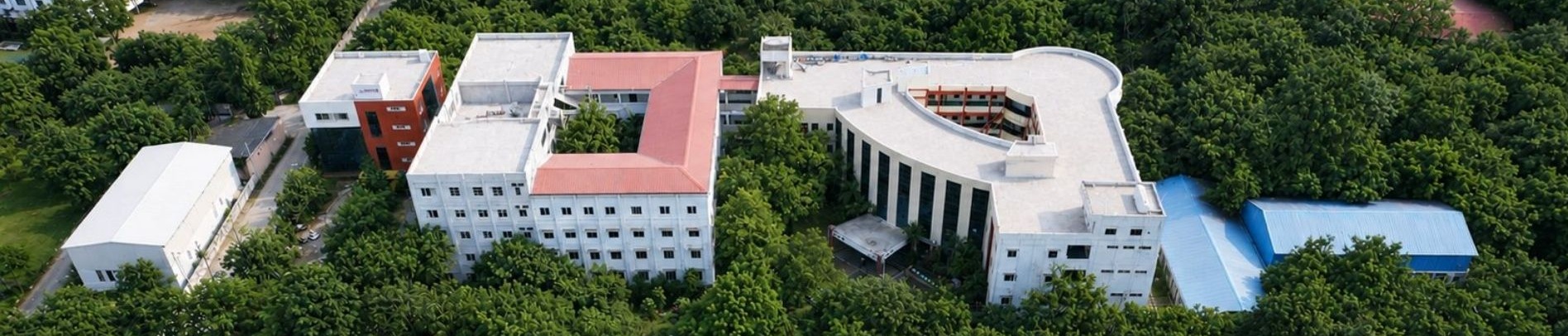
KG Reddy College of Engineering and Technology
Beside Moinabad Police Station, Chilkur Village, Moinabad Mandal, Hyderabad, 500075, Telangana, India
Please arrive at least 30 minutes before your first session for smooth check-in.